



Why methane reduction matters now?
Methane (CH₄) is one of the most powerful levers we have to slow global warming fast. Over a 20-year period, it traps about 80-85 times more heat than carbon dioxide (CO₂). Yet unlike CO₂, which can linger in the atmosphere for centuries, methane breaks down in about a decade. That means cutting methane emissions today can deliver visible climate benefits within our lifetimes.
According to the International Energy Agency’s (IEA) Global Methane Tracker 2025, human activities produced nearly 120 million tonnes of methane in 2024, with the energy sector responsible for over a third. The good news? The IEA estimates that up to three-quarters of these emissions can be cut using technologies we already have, much of it at no net cost.
For companies working towards net zero, methane reduction initiatives offer some of the most affordable, high-impact opportunities today.
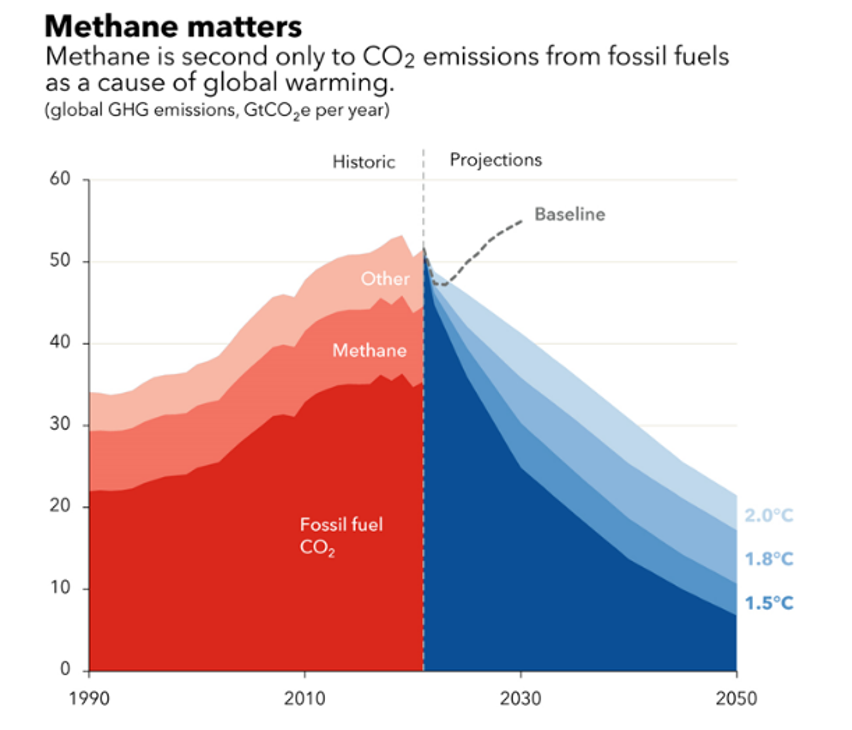
Note: Excludes emissions from land use and changes to land use
Five key sectors could together reduce methane emissions by about 20% by 2030 and nearly half by 2050. These include agriculture, oil and gas, coal mining, solid waste and wastewater.
The United Nations Environment Programme (UNEP) estimates that reducing human-caused methane emissions by 45% this decade could prevent nearly 0.3°C of global warming by 2040 – while also bringing cleaner air, healthier communities and improved crop yields.
Methane in global carbon markets
Methane reduction projects play a growing role in the global carbon markets. Each credit represents one tonne of CO₂-equivalent (tCO₂e) avoided or removed, whether by capturing, destroying or preventing methane emissions.
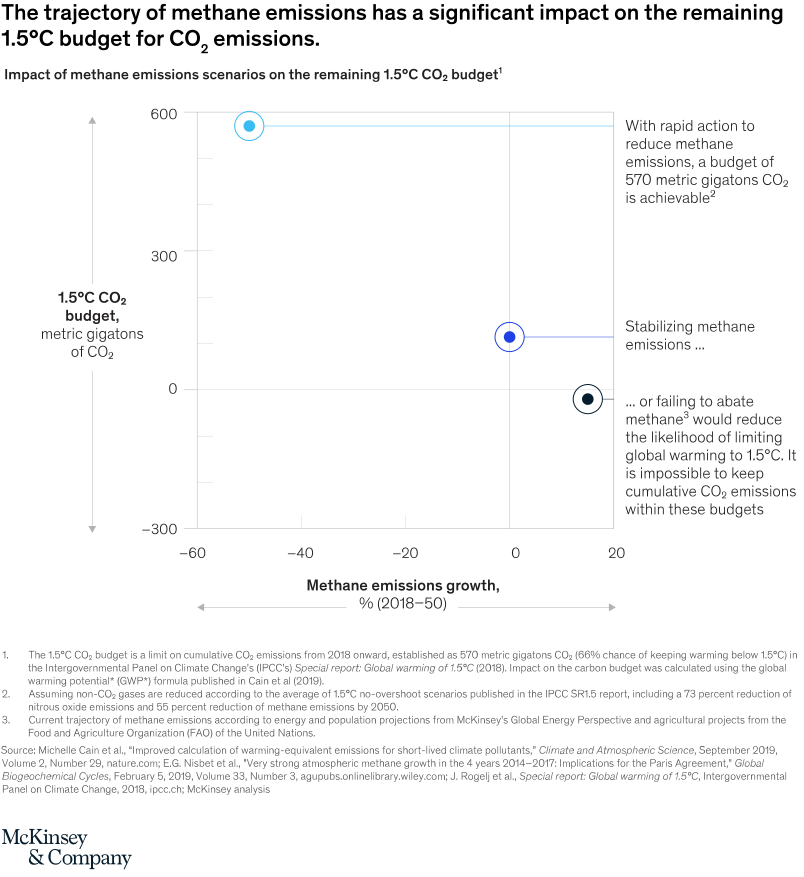
Because methane is a short-lived climate pollutant, reducing it delivers near-term temperature stabilisation that complements long-term CO₂ removal. As explained in the McKinsey graph below, these approaches balance immediate climate gains with sustained net zero progress, a strategy increasingly recognised as essential to limiting global warming to 1.5°C.
Key types of methane reduction projects
Methane abatement projects operate across several sectors, each addressing distinct sources of emissions while delivering environmental and community co-benefits.
- Waste Management – Landfill Gas Capture: As organic waste decomposes in landfills, it releases methane. In 2020, food waste alone generated 55 million tCO2e in US landfills. Landfill gas projects capture methane through wells and piping systems, which is then flared (converting CH₄ into less potent CO₂) or used to generate renewable electricity. The Shizaiqian MSW Landfill Site LFG Recovery to Power project is a good example of collecting landfill gas (methane) for electricity generation, which will be delivered to the Eastern China Power Grid. This project earned a BeZero “A” rating.
- Energy and Agriculture – Biogas Projects: Biogas projects convert animal manure and crop residues into methane-rich gas for heating, cooking or power generation. By controlling the decomposition process, these initiatives prevent methane leaks while reducing reliance on fossil fuels and supporting rural energy access. For instance, the Gold Standard-certified Indonesia Domestic Biogas Programme of Activities (IDBP) installs household biodigesters to reduce methane emissions through sustainable biogas solutions.
- Oils and Gas – Orphan Well Plugging: Abandoned or “orphaned” oil and gas wells can leak methane for decades. Plugging and sealing them stops emissions and mitigates soil and groundwater contamination. For instance, Rebellion Energy Solutions’ Heartland Methane Abatement and Land Restoration Project in Oklahoma (which earned a BeZero “A” rating) demonstrates the potential of this approach.
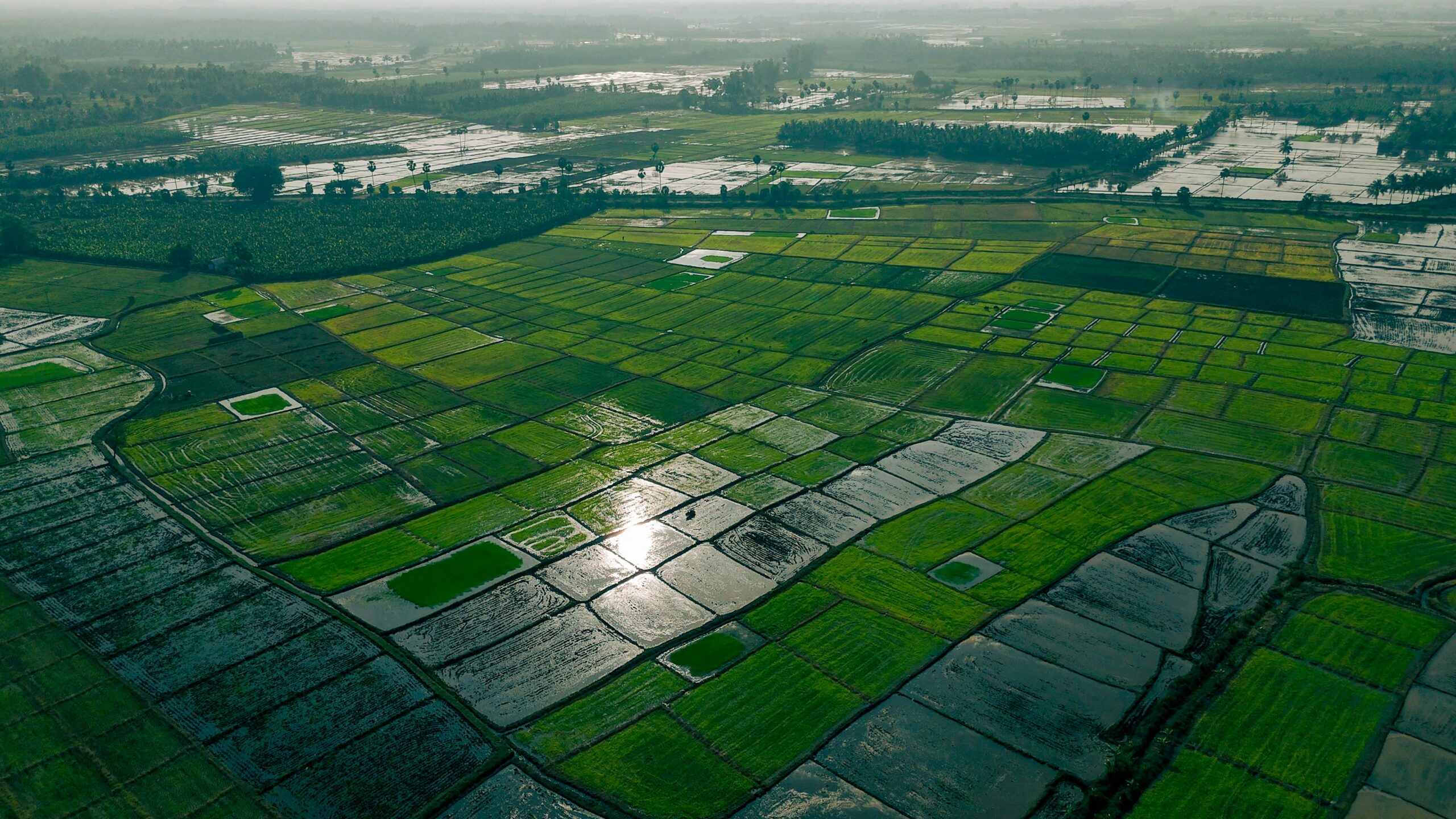
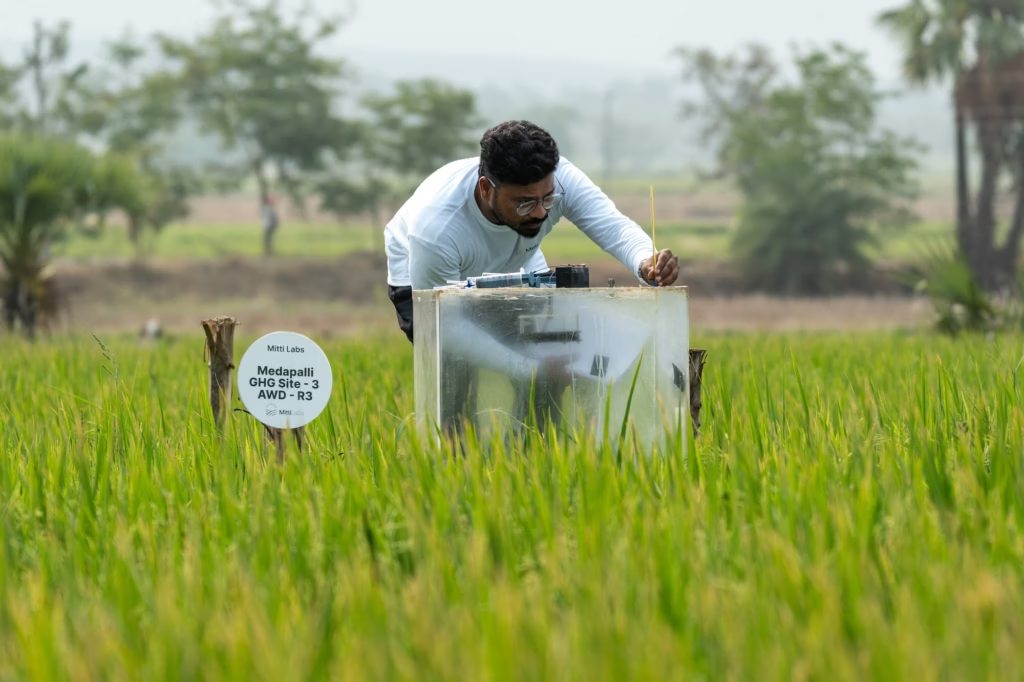
- Agriculture – Alternate Wetting and Drying (AWD): In rice farming, periodically drying fields instead of keeping them flooded can cut methane emissions by up to 50%, while saving water and maintaining yields. A key example is MittiLabs, a New York and Bengaluru-based startup, which uses satellite data, AI and digital monitoring, reporting and verification (dMRV) to help farmers in India adopt AWD practices. Their projects are Gold Standard certified, providing high-integrity methane reduction credits backed by data.
Methane reduction: A fast-growing opportunity
Methane reduction is one of the fastest-growing segments of the voluntary carbon market. Non-CO₂ projects have accounted for the retirement of about 246 million tCO₂e until 2025 and 161 million tCO₂e for methane projects specifically (see MSCI graph below). Over the past three years, corporates such as Shell, EY, ENI and Guacolda Energia SPA have retired the most methane-related credits.
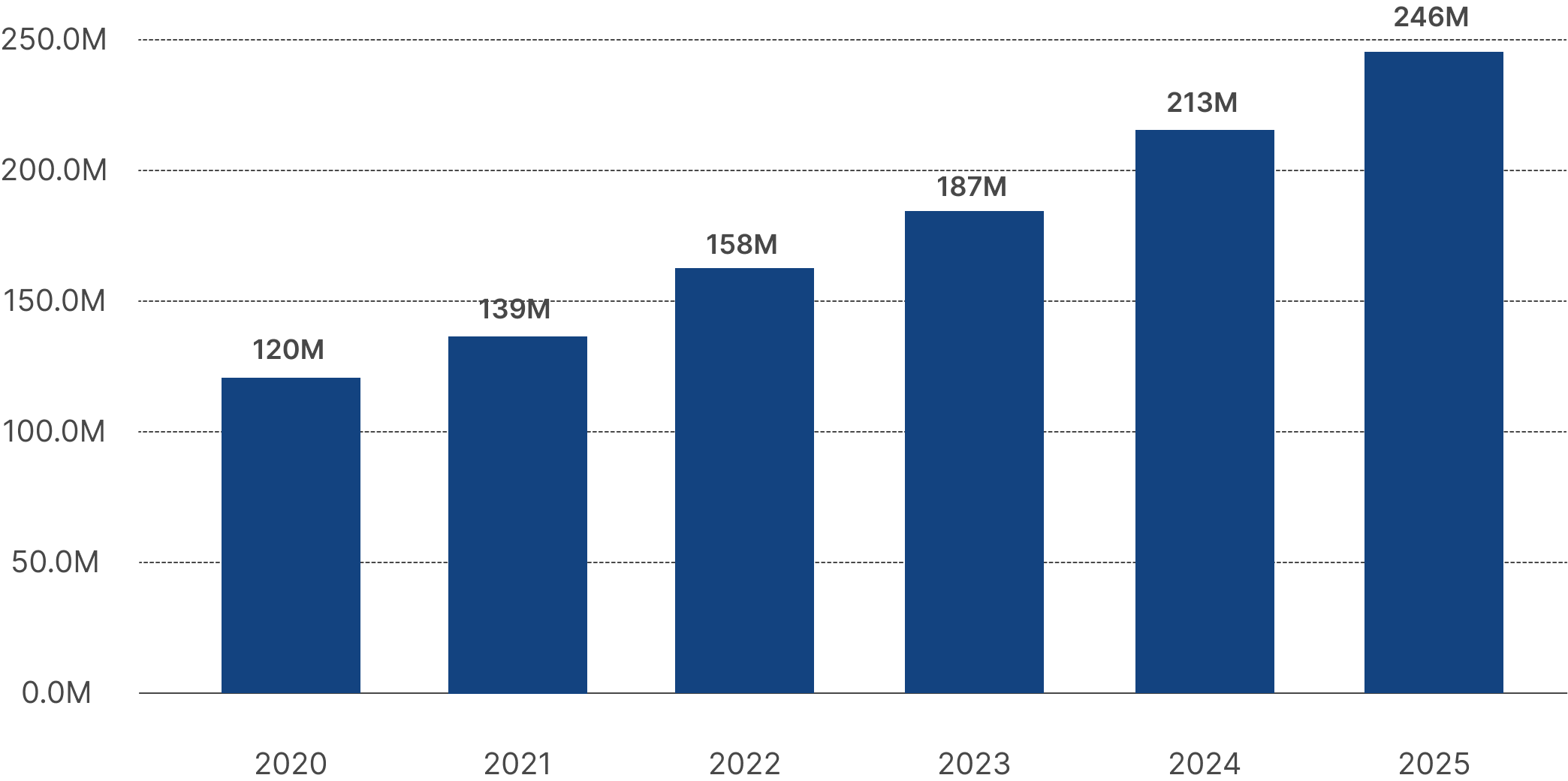
The Organisation for Economic Co-operation and Development (OECD) highlights that rising demand for non-CO₂ credits reflects a maturing market, as organisations build more diversified, resilient portfolios. Methane reduction complements – rather than replaces – traditional carbon credits, giving companies a practical way to accelerate near-term climate impact.
Why methane belongs in your corporate carbon strategy?
For companies pursuing net zero, methane reduction projects offer a unique combination of speed and impact:
- Accelerate climate impact: Methane abatement delivers tangible reductions within a decade, bridging the gap while CO₂ removal technologies scale.
- Diversify and de-risk portfolios: Investing in methane projects across sectors and regions reduces exposure to policy or project-specific risks.
- Align with global frameworks: Integrating methane into emissions reduction portfolios supports the Global Methane Pledge, enhancing credibility with investors and stakeholders.
- Advance ESG performance: Methane projects deliver co-benefits like improved air quality, soil health, energy access and community development.
Learn more
Through Climate Impact X (CIX), companies can access a diverse portfolio of verified, high-integrity methane reduction projects. Our partnerships with independent rating providers like Sylvera and BeZero help enhance transparency and integrity.
Discover how Methane Reduction Projects and CIX can support your sustainability journey at contact.us@climateimpactx.com.