





Decarbonising the Mining Industry
Tom Enger, CIX’s Head of Product, recently attended a Women in Mining and Resources (WIMAR) SG event on Carbon Markets and the Net-Zero Future. He shares some stand-out industry perspectives from the session alongside his analysis on moving the needle on decarbonisation in mining.
The mining and resources sector is critical to human development and essential for the global energy transition. Without key and rare-earth minerals, scaling production of battery-based storage, electric vehicles, electric grids and renewables plants presents a major bottleneck to achieving global Net Zero by any date.
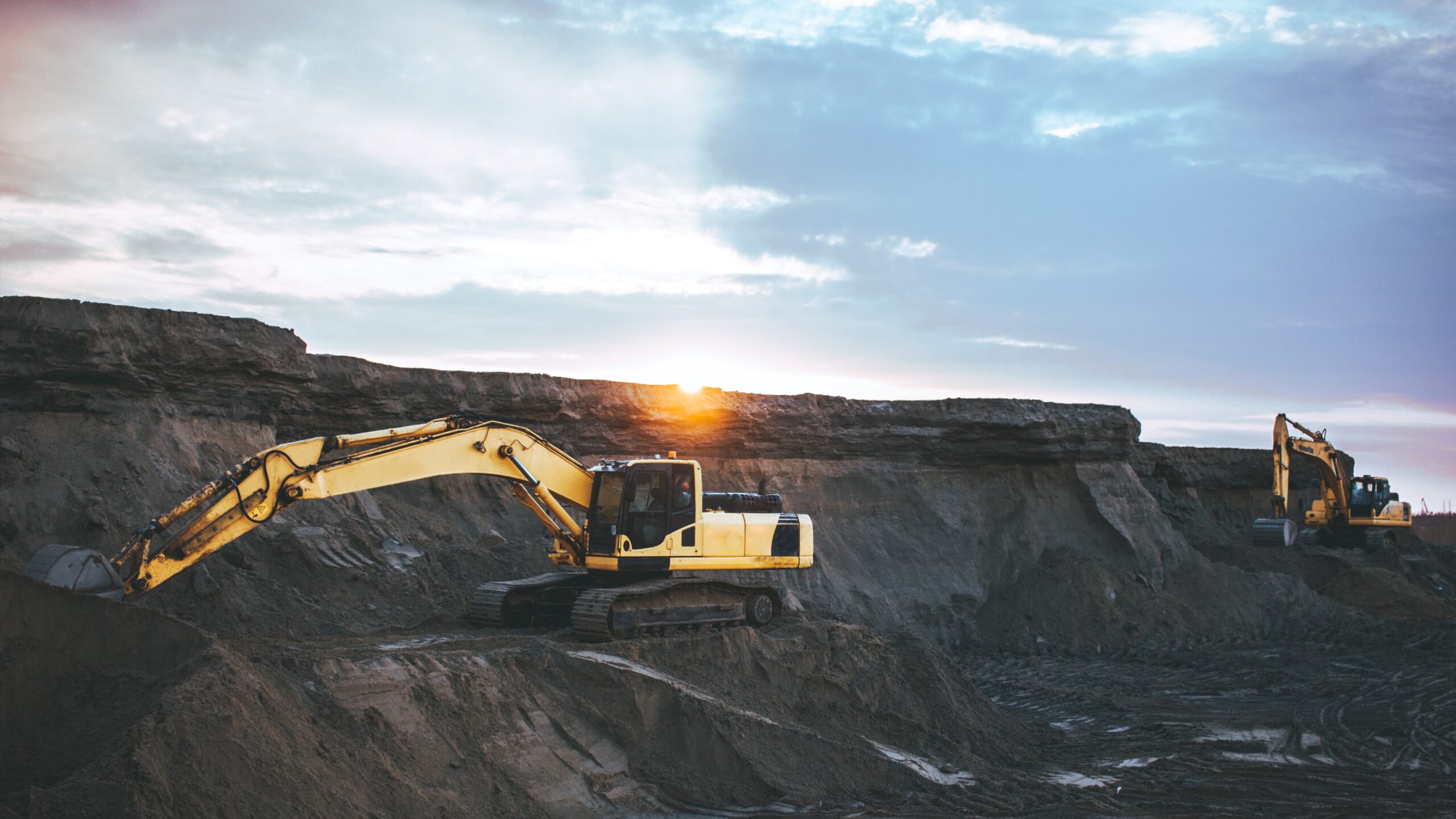
And yet, mining is one of the hardest-to-abate industries, producing over 3GT (giga or billion tonnes) of global CO2e emissions from diesel, power, explosives, cement, chemicals, rail, ports & shipping – not to mention environmental impacts by deforestation, on water, from mine tailings, particulates and methane leaking from abandoned mines.
What can be done to aid decarbonisation of the sector? Here’s what panellists had to say:
Anne Casamento of Anglo American, explained that while decarbonising Scope 3 or capturing methane pose great challenges to the industry, sectoral expertise like logistics and innovation skills, world-class ESG and DD in project and resource management are also great opportunities. She sees the rebirth of Carbon Market 2.0 as a great opportunity to educate and develop capacity through both internal and external investment.
Sue Helen Nieto Hernandez of BP sees the private sector as the most powerful in driving change, using mixed teams of experts from energy, biofuels and academia.
Hannah Hauman of Trafigura reckons that the new, dynamic, macro carbon trading market needs major resourcing of human capital, and cross-pollination of trading desks to build trust in market mechanisms and carbon services like measurement, reporting and verification of carbon credits, as well as new differential trading tools, in order to scale it five times within a few short years.
Leah Wieczorek of Macquarie Group and Peter Zaman of HFW highlighted the importance of improved standardisation in carbon contracts to facilitate industry financing and hedging in more robust carbon markets, which will ultimately enable the sector to meet its Net Zero commitments.
After partial decarbonisation, however, the industry will still need to offset an estimated residual 50% of its 3GT emissions footprint in infrastructure, mining equipment, furnaces, warehouses and vehicles – which will inevitably persist from the point of Net Zero. Mining has strong incentives therefore to help build up the currently immature 0.35GT voluntary carbon market (VCM) for those high-quality tech- and nature-based carbon removal credits which it would like to see at affordable prices and in sufficient volumes.
Published on October 2022.