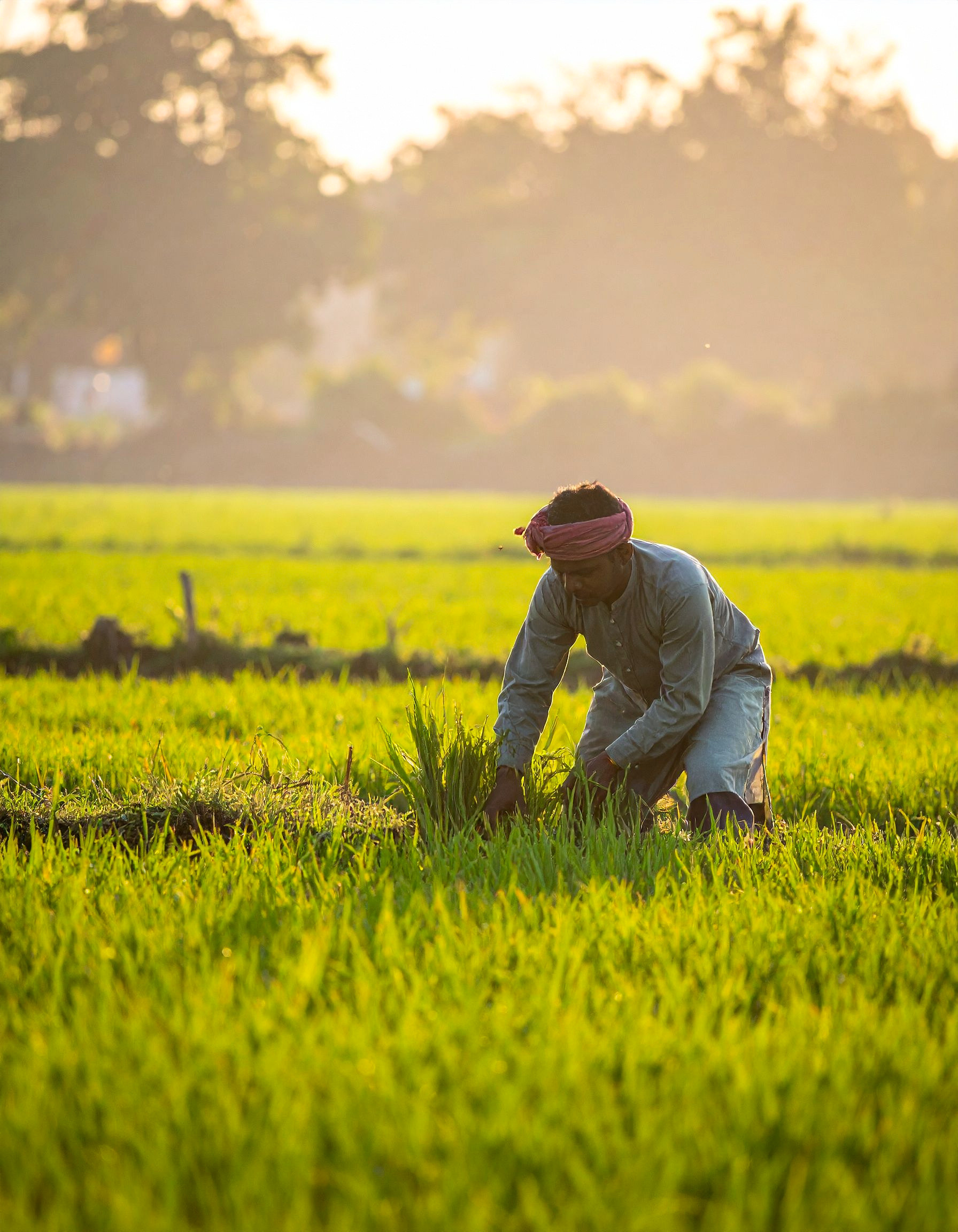

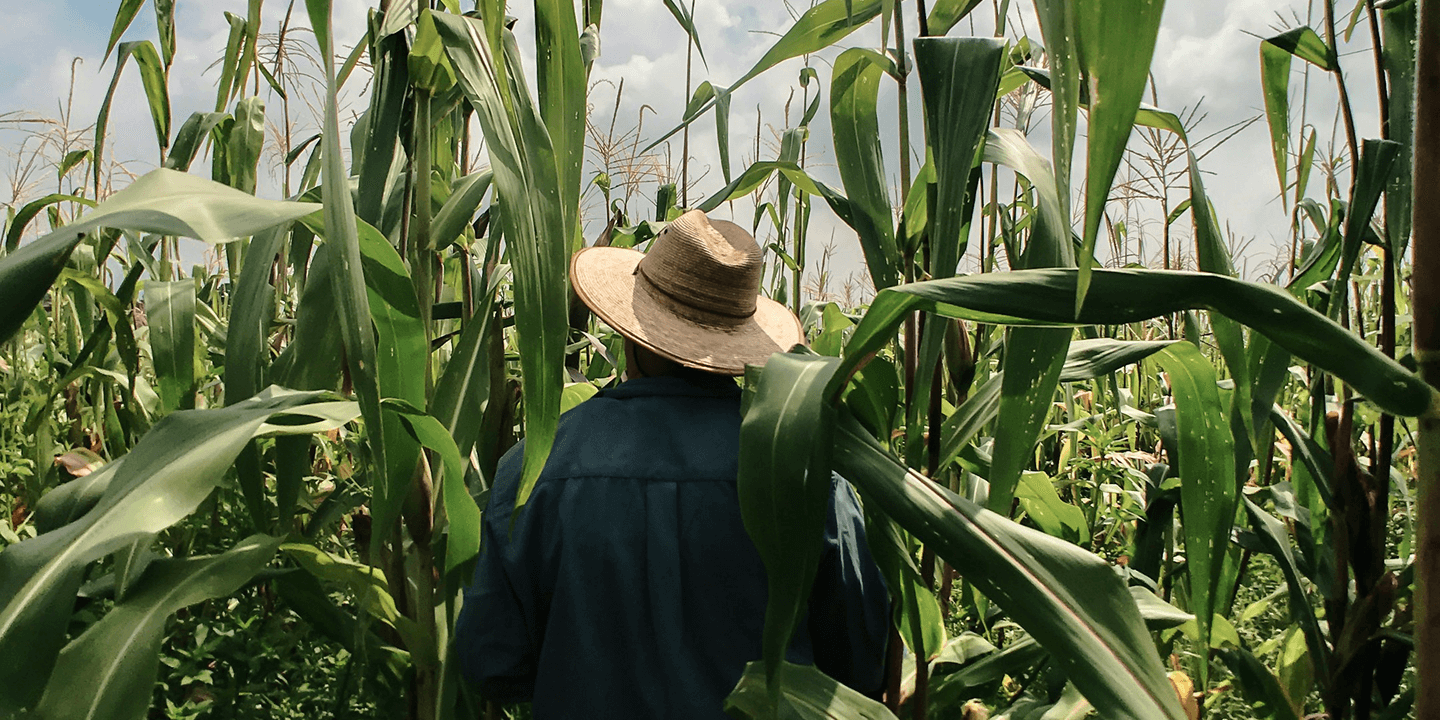



The CIX team recently visited Makassar, South Sulawesi, Indonesia, in collaboration with Biochar Life to learn more about the production and application of biochar. This field trip offered insights into how biochar – a promising technology-based carbon removal solution – can contribute to sustainability goals and mitigate climate change.
What is Biochar?
Biochar is a charcoal-like product made by heating organic biomass waste – such as wood, agricultural residues, or paper mill byproducts – in a controlled process called pyrolysis. Unlike traditional biomass decomposition, which releases CO₂ back into the atmosphere, biochar stabilises the carbon contained in organic materials by locking it into a stable, solid form. (Source: Regeneration International)
Biochar is the most established technology-based carbon removal method, accounting for over 85% of issued credits from technology-based removal projects globally. Most biochar projects are in Europe (43%) and North America (34%), but Asia is rapidly emerging as a key region for biochar production. Leading standards like Puro.Earth (93%) and the European Biochar Certificate (7%) dominate the crediting landscape for biochar projects. (Source: European Biochar Market Report 2022/2023)
How is Biochar Produced?
According to Sylvera’s Biochar Framework, biochar production involves the following key steps:
- Feedstock Collection: Organic waste, such as agricultural or forestry residues, is gathered. Without intervention, this biomass would decompose or burn, releasing CO₂ and methane into the atmosphere.
- Pyrolysis Process: Biomass is heated in a low-oxygen environment, converting it into biochar, bio-oil, and syngas.
- By-Products:
- Syngas: Can be used as a renewable energy source.
- Bio-Oil: Suitable for energy generation or industrial applications.
- End Use: Biochar is applied to soil or incorporated into materials like asphalt and concrete for long-term carbon storage.
Benefits of Biochar Application
Biochar offers numerous environmental, agricultural, and economic benefits:
- Carbon Removal
- Long-term removal of GHG emissions through sequestration of biochar in soil or in building materials (e.g. asphalt, concrete, etc.)
- Carbon can be stored in a stable, solid state for 100 years or longer taking into account processes for end-use applications
- Waste-to-Resource
- Salvaging of organic material from agricultural and/or forestry waste
- If otherwise left to decompose, biomass waste will release CO2 and methane back to the atmosphere
- Improving Soil Fertility (For Soil Application)
- Boost soil metabolism, increasing nutrient and water retention capacity of the soil
- Removal of soil organic and inorganic pollutants (e.g., heavy metals, pesticides)
- Reduced dependence on fertilizer application and irrigation
- Enhance Food Security (For Soil Application)
- Studies have shown improved agricultural yields, especially in degraded soils, which translate to enhanced food security
- Farmers from the project site shared that crop yields doubled after applying biochar on their land
Future of Biochar Projects
Biochar’s versatility and effectiveness make it an attractive addition to carbon removal portfolios. Its integration into soil health improvement and sustainable construction materials offers a pathway to achieving environmental and economic goals simultaneously.
Interested to learn more or include biochar projects in your portfolio? Contact us at contact.us@climateimpactx.com.